
Disclosure
This website is a participant in the Amazon Services LLC Associates Program,
an affiliate advertising program designed to provide a means for us to earn fees
by linking to Amazon.com and affiliated sites.
Imagine your car’s battery swelling like a balloon, overheating from within, while lights flicker ominously on the dash. Alternator overcharging could be the silent saboteur, pumping lethal voltage into your electrical system.
This matters: unchecked, it risks catastrophic battery failure and widespread damage. Discover key symptoms like battery bulging, burnt smells, and melted fuses; learn if high voltage truly kills batteries; plus diagnosis, prevention, and fixes ahead.
Best Tools to Diagnose Alternator Overcharging and High Battery Voltage
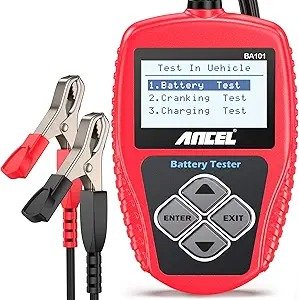
ANCEL BA101 Car Battery Tester
This 12 V car battery and alternator tester lets you check battery voltage, state of charge, and charging system performance in seconds. It displays clear results on a large screen, helping you identify overcharging symptoms early — such as voltages above safe thresholds that could stress the battery.
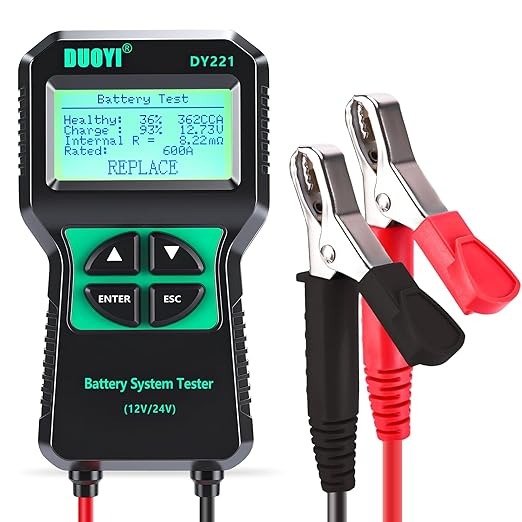
DUOYI DY221 Car Battery & Alternator Tester
A versatile automotive tester that handles both 6 V and 12 V systems with load analysis and alternator diagnostics. This tool helps you spot excessive charging voltage and whether the alternator or battery is causing abnormal readings, making it ideal for diagnosing overcharging issues.
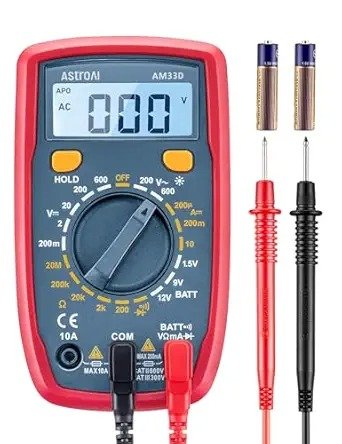
AstroAI Digital Multimeter Tester 2000
A compact multimeter that measures DC voltage, current and resistance, perfect for checking battery voltage while the engine runs. Use it to monitor alternator output (e.g., ~13.8–14.5 V normal vs higher overcharge voltages) so you can tell if the alternator is driving the battery too hard
Alternator Overcharging

Alternator overcharging occurs when the system’s voltage regulator fails to cap output at 13.8-14.4V, pushing 15-18V+ into the 12V system. This damages batteries and electronics. The alternator converts mechanical energy from the engine into DC electrical energy to charge the battery and power vehicle systems.
The voltage regulator controls the field coil to adjust alternator output. It reduces field current when battery voltage reaches the setpoint, typically per SAE J561 standard for a normal 13.5-14.5V range. Failure leads to high voltage that boils electrolyte and causes battery swelling.
Key alternator components include the rotor with field coil, stator windings, diode rectifier bridge, and regulator. Imagine a diagram showing the pulley driving the rotor, inducing AC current in stator coils, rectified to DC, and regulated before output. Overcharging stresses the 12V system, risking electrical fires or fuse blown events.
Drivers notice voltage gauge high readings or dashboard warnings. A multimeter test confirms over 14.5V at idle. Early detection prevents battery replacement and alternator testing needs.
What Causes Voltage Overproduction
Faulty voltage regulators often fail to reduce alternator field current when battery voltage hits 14.4V setpoint. This leads to overcharging and battery damage like electrolyte boiling. Experts recommend checking regulator first in charging system faults.
Common causes include these six issues:
- Regulator diode short: Stuck ‘on’ position allows constant full field current, spiking voltage to 16V+ dangerous levels.
- Diode rectifier faults: Backfeed from damaged diodes lets AC leak into DC, causing erratic high alternator output.
- Grounded field winding: Short in rotor windings bypasses regulator control, mimicking full-field condition.
- ECU overvoltage signal: Faulty engine control unit sends wrong PWM signal to modern regulators, overexciting the field.
- Slipping serpentine belt: RPM surges from belt slip make alternator spin too fast, overwhelming regulator response.
- Wiring shorts to hot: Chafed harness grounds field circuit prematurely, forcing excessive charging.
A real example is the 2015 Ford F-150 TSB 15-0028, detailing regulator failure from diode issues. Symptoms match like hot battery and hissing sounds from gassing. Perform a voltage drop test or load test battery to diagnose.
Address with alternator bench test or auto parts store check. Safety first: disconnect battery, wear eye protection and gloves. Consider OEM voltage regulator for warranty claim to avoid battery killer effects like plates warping.
Key Symptoms of Overcharging
Overcharging manifests through visible battery deformation and thermal symptoms detectable within 2-4 weeks of regulator failure. Battery cases show physical damage from gas pressure, heat from chemical reactions, and electrical anomalies. Voltage readings exceed 15V at idle, signaling alternator overcharging.
Owners often notice battery swelling, excessive heat, and odd lighting behavior first. These signs point to high voltage stressing the 12V system. Early detection prevents battery killer effects like capacity loss or electrical fires risk.
Common triggers include voltage regulator failure, diode faults, or wiring issues. Use a multimeter test to confirm overvoltage above 14.5V. Address charging system fault promptly to avoid starter issues or no-start condition.
Dashboard warning lights or voltage gauge high readings alert drivers. Pair with hissing sounds from electrolyte boiling. Mechanics recommend alternator testing and battery stress test for diagnosis.
Battery Swelling and Bulging
Battery cases bulge when overcharging produces hydrogen/oxygen gassing at >14.7V, creating internal pressure. The H2SO4 electrolyte decomposes, leading to battery swelling. This bulging case signals excessive charging.
Progression starts with a normal battery appearance, then frosted casing from gassing, followed by bulged sides, and potential rupture with acid leaks. Terminal corrosion and white crust appear alongside. Safety first: risk of battery explosion from hydrogen gas ignition.
Experts recommend safety precautions like disconnecting the battery first, wearing eye protection and gloves. A real example involves 2018 Honda Civic cases with swollen batteries from alternator output spikes. Inspect for plates warping or internal short.
DIY diagnosis includes checking for gassing excessive or smoke from battery. Auto parts stores offer free load test battery. Replace if battery replacement needed due to battery lifespan shortened.
Excessive Battery Heat
Batteries exceeding 120 degreesF (49 degreesC) from overcharging suffer accelerated battery sulfation, reducing capacity over time. Heat sources include IR losses in wiring and chemical overreactions from high voltage. Feel the battery: too hot to hold indicates trouble.
Perform a touch test carefully, as temperatures above 120 degreesF halve lifespan compared to 77 degreesF baselines. AGM batteries fail faster due to recombination limits under overcharge. Monitor for burning smell or alternator whine.
Flooded batteries show hissing sounds from venting, while lithium types risk thermal runaway. Use a hydrometer reading for specific gravity low in cells. Top up with distilled water if needed, but test first.
Mechanics advise voltage drop test to trace diode rectifier fault or PWM regulator issues. Fleet maintenance tips include regular monitoring voltmeter checks. Prevent parasitic draw worsening heat.
Dimming or Flickering Lights
Paradoxically, 16V+ overvoltage causes dimming as voltage regulators in headlights/ECUs clamp excess, dropping effective voltage to components. This dim lights paradox occurs despite high alternator output. Flickering happens at idle, steady dimming under load.
A real case: GM trucks with burned headlight modules from alternator spikes. Test with multimeter: 14.2V at battery but 11V at headlight shows voltage drop. Check for headlight burnout or instrument cluster fail.
Other signs include power steering glitch, ABS malfunction, or traction control error. Scan for OBD2 codes via diagnostic scanner. ECU fault or regulator diode short often causes this.
DIY steps: alternator bench test at parts stores. Look for fuse blown or circuit breaker trip. Upgrade to OEM voltage regulator if field winding issue confirmed, avoiding high output alternator risks.
Electrical System Damage Indicators
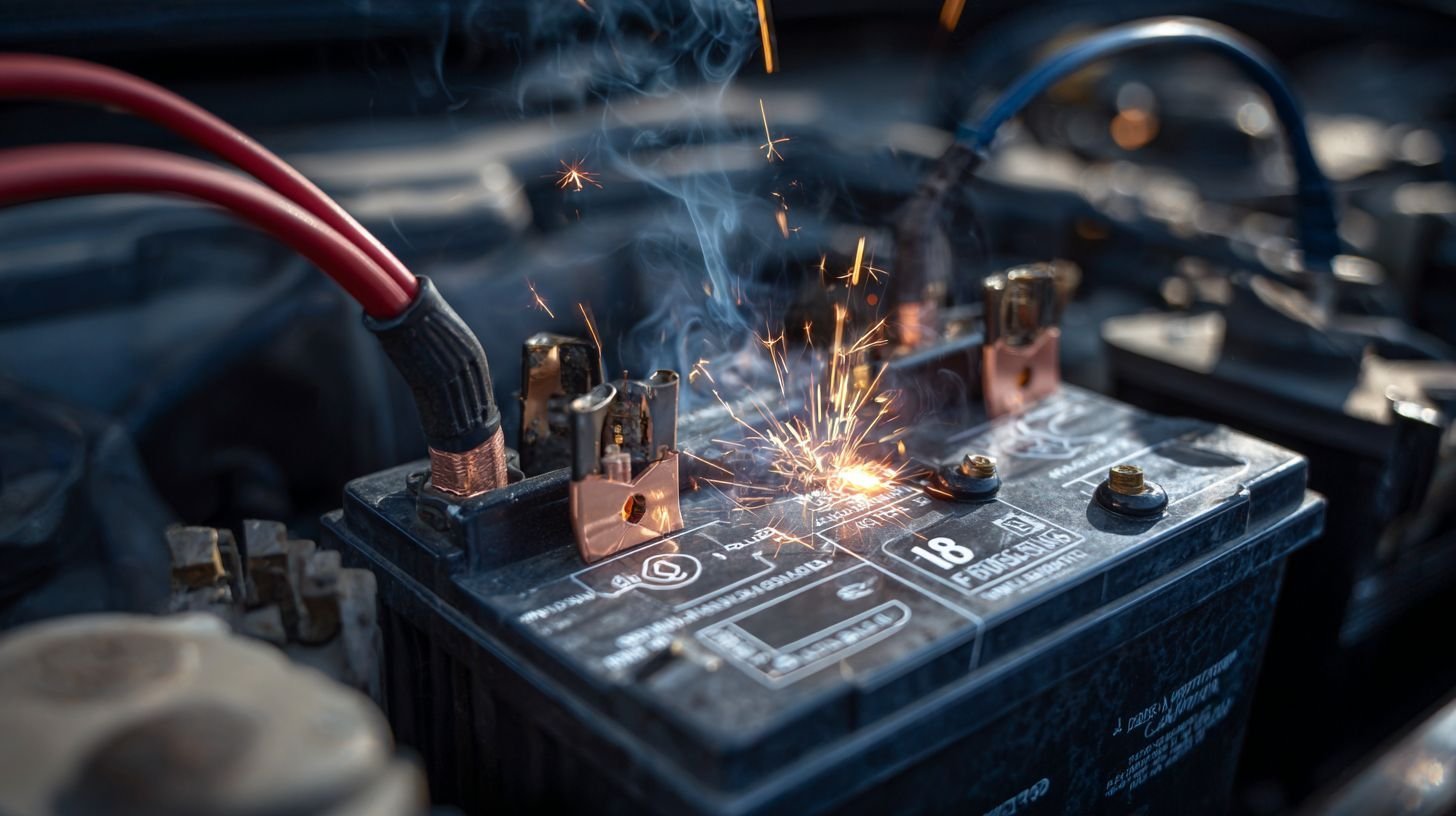
Overvoltage progressively damages wiring insulation and components, signaled by thermal decomposition odors and visible melting. High voltage arcs through insulation rated for 600V, breaking down at 18V sustained exposure. This creates an ozone smell and triggers failure cascades from front lighting rearward.
Alternator overcharging stresses the entire 12V system over 15V. Components like fuses and relays fail first under high voltage. Drivers notice erratic behavior before total shutdown.
Inspect for burnt smells or smoke during operation. Use a multimeter test to check alternator output exceeding 14.5 volts over. Early detection prevents battery damage and electrical fires risk.
Safety precautions include disconnecting battery first with eye protection and gloves. Mechanic advice recommends OBD2 codes scan for charging system fault. This avoids costly wiring harness replacement.
Burnt Electrical Smells
Melting PVC insulation produces fishy/ozone odor at 250 degreesF, while battery electrolyte vapors smell like rotten eggs when boiling. Burning plastic signals wire insulation breakdown from overvoltage. Sulfur notes point to battery acid leaks.
High voltage from voltage regulator failure causes arcing in connectors. Ozone smell arises from electrical discharges. Evacuate vehicle immediately upon detection for safety.
Case example involves a 2020 Tesla Model 3 fire from overvoltage cascade traced to aftermarket alternator. Similar issues occur in conventional vehicles with diode rectifier fault. Park and call for towing if smells persist.
DIY diagnosis starts with sniffing near battery and engine bay. Check for burning smell during idle. Auto parts store test confirms excessive charging before further damage.
Melted Wires and Fuses
75A main alternator fuses blow first at 18V+, followed by cascading failures in ABS modules and power steering based on Bosch ECU data. Battery cables melt next in the failure sequence. Starter relay and ECU follow as heat builds.
Look for bluish copper melting and brown insulation flow on cables. Headlight burnout and instrument cluster fail signal progression. Power steering glitch or ABS malfunction indicates deeper issues.
Cost example includes $800 wiring harness replacement on Toyota Camry from alternator overcharging. Traction control error appears via dashboard warning. Voltage gauge high reading prompts immediate stop.
Conduct voltage drop test across fuses. Load test battery reveals capacity loss from overcharge. Replace with OEM voltage regulator to prevent recurrence, and consider battery isolator for protection.
Can High Voltage Kill a Battery?
Yes, sustained 15V+ high voltage from alternator overcharging accelerates grid corrosion, causing plate shedding and capacity loss within months. Electrolyte boiling drops specific gravity from 1.265 to 1.100, warping positive plates through dendritic growth. This process proves 100% fatal to the battery per Interstate Battery specs.
Voltage regulator failure often triggers this battery killer scenario, pushing alternator output beyond safe limits. Drivers notice voltage gauge high readings or dashboard warnings first. Without quick fixes, excessive charging leads to battery swelling and acid leaks.
Practical signs include hot battery cases and hissing sounds from vents. Use a multimeter test to confirm over 14.5 volts at idle, where 16 volts becomes dangerous. Experts recommend immediate alternator testing to prevent total failure.
Common causes like regulator diode short or field winding issues shorten battery lifespan dramatically. Vehicles show starter issues or dim lights paradox despite high voltage. Address with a voltage drop test or mechanic advice for DIY diagnosis.
Electrolyte Boiling and Gassing
At 15V+, electrolysis splits H2SO4 into H/O gases at notable rates, confirmed by hydrometer readings dropping below 1.200 specific gravity. The reaction follows 2HO 2H + O, producing audible hissing from vents. This electrolyte boiling signals severe overcharge damage.
Excessive gassing forces acid out, leading to terminal corrosion and white crust buildup. Batteries emit a hiss like a soda bottle opening under the hood. Check cells with a hydrometer; low specific gravity means plates are warping.
Explosion risk rises with 4% H2 concentration, igniting from any spark near the battery. Safety precautions include disconnecting battery first, wearing eye protection and gloves. Hydrogen gas explosion has caused fires in garages during overcharging.
Flooded batteries show acid leaks and bulging cases first, while AGM types fail quietly with internal shorts. Test at an auto parts store for free load tests. Top up with distilled water only after neutralizing overvoltage with a voltage stabilizer.
Diagnosis and Testing Methods
Use a digital multimeter to check voltages: engine off shows 12.6V on a rested battery, idle reads 13.8-14.4V, and 16V or higher confirms alternator overcharging per Motorcraft testing standards.
Start diagnosis with basic checks to spot high voltage issues. A rested battery at 12.6V indicates full charge. Running voltage over 14.5V points to voltage regulator failure.
Advanced tests reveal charging system faults like diode issues or wiring shorts. Load testing stresses the battery under draw. OBD2 scans catch error codes tied to alternator output.
Auto parts stores offer free bench tests for the alternator. These confirm if excessive charging stems from internal faults. Follow safety steps like disconnecting the battery first and wearing eye protection.
Step-by-Step Diagnostic Procedure
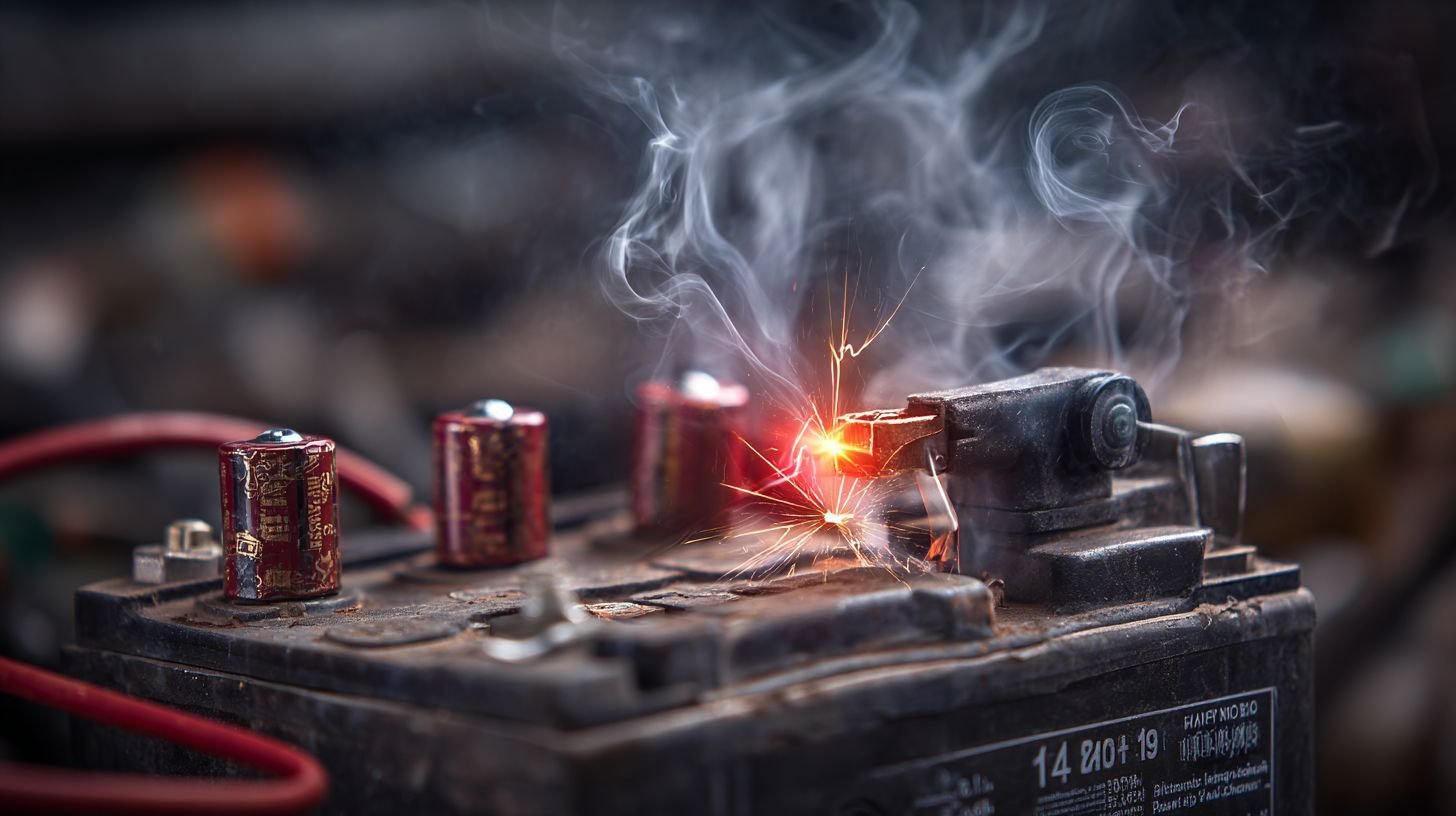
- Perform a multimeter battery test: Engine off, probes on terminals should read 12.6V. Lower voltage suggests partial discharge or prior overcharge damage like sulfation.
- Check running voltage: Start engine at idle, test across battery posts for 13.8-14.4V. Anything over 14.5V signals overcharging.
- Conduct a load test with 50A draw: Use a carbon pile tester while running. Voltage should hold above 13V; drops indicate weak battery stressed by high voltage.
- Run an OBD2 scan for codes like P0620 or P0622: These flag alternator or generator field issues, common in voltage regulator failure.
- Take the alternator for a free bench test at AutoZone: They simulate load to check output and diodes for faults causing overvoltage.
Voltage Reference Chart
| Engine State | Expected Voltage | Problem Indicator |
|---|---|---|
| Engine Off (Rested Battery) | 12.6V | Below 12.4V: Discharge or Damage |
| Engine Idle (No Load) | 13.8-14.4V | Over 14.5V: Overcharging |
| Engine Running (Load Applied) | 13.0-14.5V | 16V+: Dangerous Overvoltage |
| High RPM (2000+) | 14.0-14.8V | Above 15V: Regulator Fault |
This chart guides multimeter tests for alternator output. Compare readings to spot deviations. High readings confirm battery killer conditions like boiling electrolyte.
Alternator Voltage Operating Range
The Alternator Voltage Operating Range data outlines critical voltage thresholds for automotive alternators, ensuring proper battery charging and electrical system performance. Understanding these ranges is essential for vehicle maintenance and diagnostics.
Normal Operating Range spans from 13.5V to 14.5V. This range maintains battery health by providing sufficient charge without overcharging. At 13.5V minimum, the alternator delivers enough power to support vehicle electronics and recharge the battery after starting. The 14.5V maximum prevents excessive voltage that could damage sensitive components. Staying within this band indicates optimal alternator function, especially under varying loads like headlights or air conditioning.
- Warning Thresholds: Voltages exceeding 15.0V (overcharge threshold) signal potential issues such as a faulty voltage regulator, risking battery gassing, electrolyte loss, and shortened lifespan. Readings above 15V require immediate investigation to avoid catastrophic failures like alternator burnout or electrical fires.
Voltages below 13.5V may indicate undercharging, leading to a dead battery. Regular checks using a multimeter at the battery terminals, with the engine running, help confirm alternator health. Factors like temperature and belt tension influence performance, so monitoring under real-world conditions is key.
These thresholds guide mechanics and DIY enthusiasts in troubleshooting. For instance, if voltage consistently hits 15V or higher, inspecting the regulator or diodes is crucial. Maintaining the 13.5V-14.5V range ensures reliability, extends component life, and prevents roadside breakdowns.
Visualizing the Test Setup
Imagine a clean battery terminal with red multimeter probe on positive post and black on negative. Engine bay view shows hood propped, serpentine belt visible, and digital display reading 14.2V at idle.
For load tests, a heavy-duty tester clamps to terminals with carbon pile knob turned to 50A. Smoke or hissing from battery during test warns of overcharge damage like swelling case.
OBD2 scanner plugs into port under dash, screen showing P0622 code for field control circuit. Bench test setup has alternator on a stand with spinning pulley and voltmeter spikes to 17V under load.
These visuals aid DIY diagnosis. Spot white crust on terminals or bulging cases as signs of prior high voltage stress. Seek mechanic advice if tests show regulator diode shorts or ECU faults.
Prevention and Repair Solutions
Replace voltage regulator ($45-89 OEM) or full alternator ($150-350 remanufactured), then install $29 Painless Performance voltage monitor. These steps address alternator overcharging directly and help prevent battery damage from high voltage. Start with simple diagnostics to confirm the issue before spending on parts.
Begin at an auto parts store for their free charging system test. This quick check uses professional tools to measure alternator output under load and spot voltage spikes over 14.5 volts. It often reveals regulator diode short or other faults without cost.
- Auto parts store free charging system test to diagnose overcharging causes.
- Replace regulator (common on 2015+ Chrysler vehicles) for targeted fix.
- Add low-voltage disconnect ($79) to protect against excessive charging.
- Upgrade to AGM battery tolerant to 15V spikes for better resilience.
- Perform annual load testing on battery and alternator to catch issues early.
These numbered solutions form a complete plan against high voltage threats like battery swelling and electrolyte boiling. Pair them with safety precautions such as disconnecting the battery first and wearing eye protection. Regular checks extend battery lifespan and avoid risks like electrical fires.
Diagnostic Testing Options
Free tests at auto parts stores provide a solid start for alternator testing. Technicians connect a multimeter test or load tester to check if voltage exceeds 16 volts, indicating voltage regulator failure. This pinpoints diode rectifier fault or wiring issues quickly.
DIY options include a voltage drop test with your own multimeter. Probe battery terminals while the engine runs to detect overvoltage or field winding issue. Compare readings to normal 13.8-14.5 volts to confirm charging system fault.
For deeper insight, use a diagnostic scanner for OBD2 codes related to ECU fault or alternator control. An alternator bench test at a shop verifies PWM regulator function off-vehicle. These steps prevent misdiagnosis and unnecessary battery replacement.
Key Replacement Parts
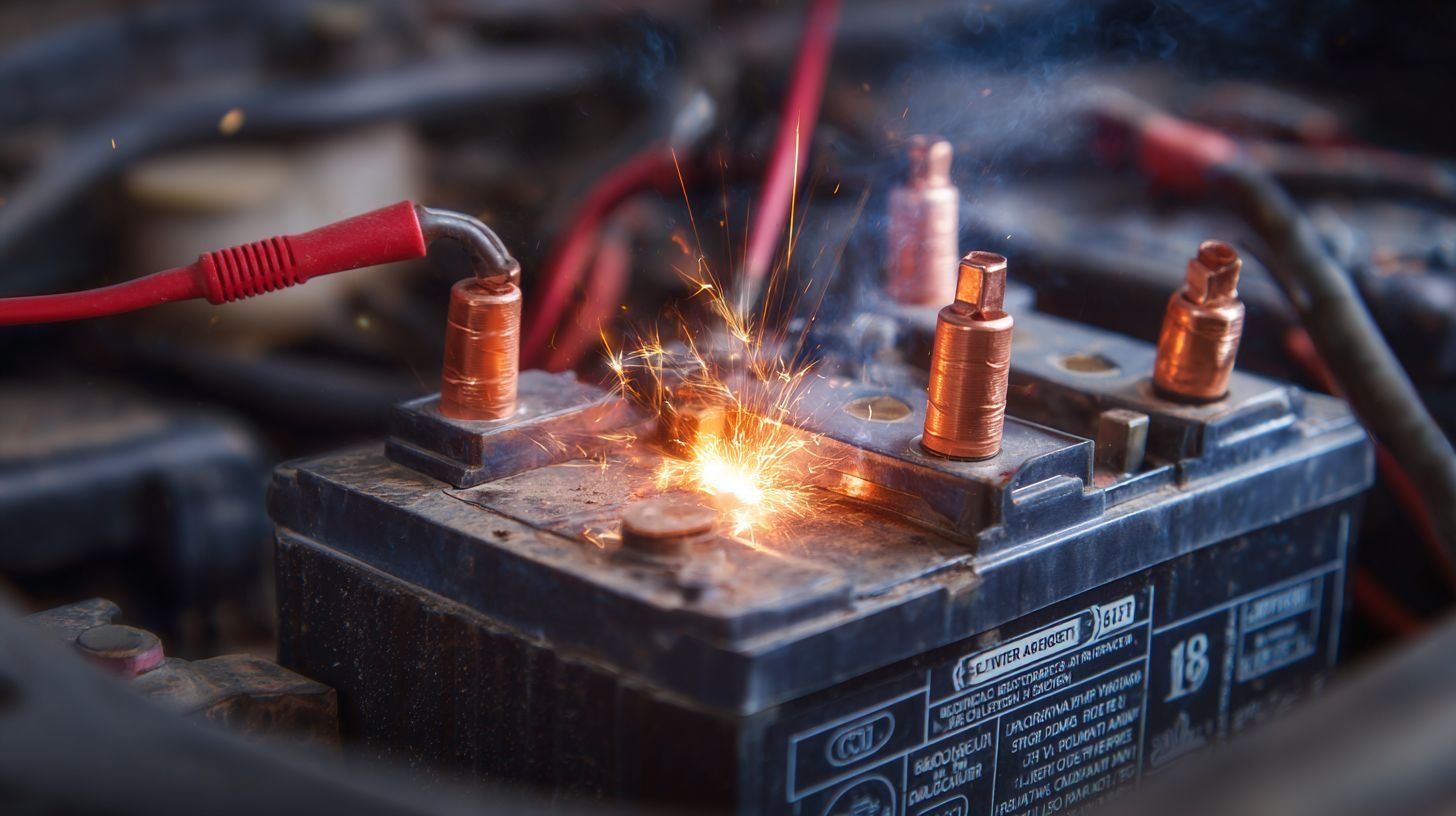
OEM voltage regulators cost $45-89 and fit most vehicles, offering reliable fixes for regulator diode short. Remanufactured alternators at $150-350 come with warranties up to two years. Choose units tested for proper output to avoid repeat overcharge problems.
Add a $29 Painless Performance voltage monitor for real-time dashboard readings. It alerts to voltage gauge high or spikes, preventing terminal corrosion and acid leaks. Low-voltage disconnects at $79 automatically cut power during excessive charging.
AGM batteries handle 15V spikes better than flooded types, resisting battery sulfation and plates warping. They often include three-year warranties and suit vehicles prone to serpentine belt slip or wiring short. Upgrade wisely to match your 12V system.
Maintenance and Monitoring Tips
Schedule annual load testing to stress-test battery and alternator under simulated conditions. Check for specific gravity low with a hydrometer and top up with distilled water if needed. This catches capacity loss early, avoiding no-start condition or starter issues.
Install a monitoring voltmeter or battery isolator for ongoing protection. Watch for symptoms like hot battery, hissing sounds, or dim lights paradox during drives. In fleets or RVs, mimic solar charge controller logic to manage overcharging.
Address parasitic draw or alternator whine promptly to prevent burning smell or smoke. Mechanics recommend gloves and eye protection for all work. These habits reduce risks of hydrogen gas explosion and ensure safe automotive electrical systems.
Frequently Asked Questions
Symptoms of Alternator Overcharging: Can High Voltage Kill a Battery?
Yes, high voltage from an alternator overcharging can kill a battery by causing excessive gassing, electrolyte loss, and internal damage like plate warping. Common symptoms include dimming or flickering lights, burnt electrical smells, and battery swelling.
What are the primary symptoms of alternator overcharging?
Symptoms of alternator overcharging include battery terminals overheating, excessive voltage readings above 14.8V, dashboard warning lights for voltage or battery, and rapid battery fluid evaporation. High voltage can kill a battery quickly if unchecked.
Can high voltage from alternator overcharging kill a car battery?
Absolutely, high voltage over 15V can kill a battery by overcharging it, leading to overheating, gas buildup, and cell shorting. Symptoms of alternator overcharging like boiling battery acid confirm this destructive process.
How does alternator overcharging manifest in vehicle symptoms?
Symptoms of alternator overcharging show as erratic voltage gauges, melted fuses or wiring, headlight bulbs burning out prematurely, and a sulfurous battery smell. Prolonged high voltage will kill the battery, necessitating replacement.
Is battery explosion a symptom of alternator overcharging?
Battery bulging or explosion risk increases with alternator overcharging due to high voltage causing hydrogen gas buildup. Other symptoms include corroded terminals and green battery casing discoloration. Yes, high voltage can kill a battery catastrophically.
Why does high voltage from overcharging alternator damage electronics?
Symptoms of alternator overcharging extend to fried sensors, ECU malfunctions, and infotainment glitches from voltage spikes. High voltage kills the battery first but cascades to other components, often requiring professional diagnosis.