
Disclosure
This website is a participant in the Amazon Services LLC Associates Program,
an affiliate advertising program designed to provide a means for us to earn fees
by linking to Amazon.com and affiliated sites.
A fully charged 12V car battery should read between 12.6 and 12.8 volts when the engine is off. This range indicates that the battery is holding a full charge and ready to reliably start your vehicle.
Many drivers assume that a 12-volt battery should read exactly 12.0 volts, but in reality, anything below 12.4 volts may signal a partially charged or weak battery.
Ever turned the key and heard a sluggish crank or a faint click? Chances are, your battery was undercharged. Understanding your car battery’s voltage isn’t just technical trivia—it’s a practical skill that can save you from unexpected breakdowns.
Best Car Batteries for Reliable Voltage Performance
When it comes to maintaining optimal voltage and dependable performance, not all 12V car batteries are created equal. Here are three top-rated car batteries known for their reliability, long lifespan, and consistent voltage output—even in demanding conditions:
Optima RedTop 34R Starting Battery
Offers high cold-cranking amps and quick ignition power even in extreme weather, making it perfect for daily drivers and commuters.

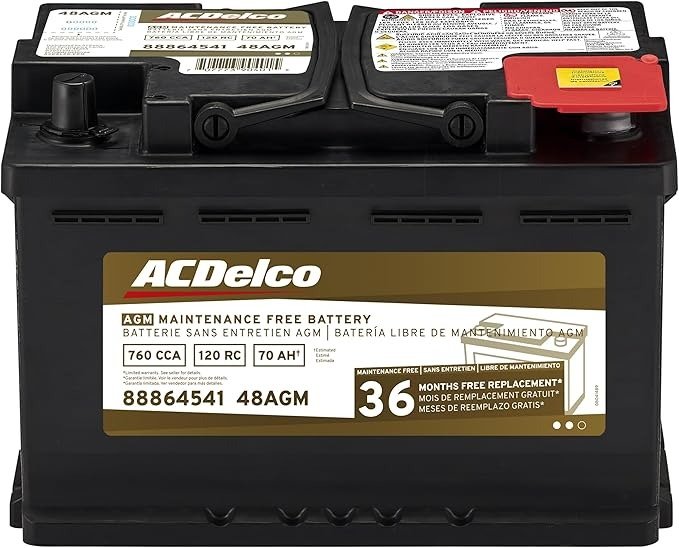
ACDelco Gold 48AGM Battery
AGM design provides excellent charge retention and vibration resistance—ideal for modern vehicles with lots of electronics.
Odyssey Extreme Series 65-PC1750T
Delivers deep-cycle durability and fast recovery, great for trucks, SUVs, and vehicles with heavy power demands.

How Do You Test the Voltage of a 12V Car Battery Accurately?
Testing the voltage of a 12V car battery is simple—but doing it accurately requires the right tools, proper timing, and correct technique. Here’s how to ensure you’re getting the most reliable reading.
Step 1: Let the Battery Rest
To get a true resting voltage, the battery must sit for at least 6 to 12 hours without being used or charged. Why?
- Immediately after driving or charging, surface voltage may give a false high reading.
- Resting ensures voltage stabilizes and reflects actual battery charge.
Step 2: Use a Digital Multimeter
A digital multimeter is the most precise tool for this job. Here’s how to use it:
- Set the dial to DC voltage (often labeled “DCV” or a “V” with straight and dashed lines).
- Place the red probe on the battery’s positive terminal (+).
- Place the black probe on the battery’s negative terminal (−).
- Read the display. A healthy, fully charged 12V battery should read 12.6–12.8 volts.
If the reading is:
- 12.4 – 12.5V → ~75% charged
- 12.2 – 12.3V → ~50% charged
- 12.0V or below → Poor or nearly discharged
Step 3: Check Under Load (Optional but Recommended)
For a deeper test:
- Turn on the headlights (without starting the engine) for 2 minutes.
- Turn them off and recheck voltage. A healthy battery will still be above 12.4V.
Pro Tips:
- Test in a well-ventilated area.
- Clean the terminals before testing for accuracy.
- Avoid testing right after a jumpstart or charging session.
What Voltage Is Too Low for a 12V Car Battery?
Understanding when a 12V battery’s voltage is too low can help you avoid unexpected breakdowns and costly replacements. Any voltage reading below 12.0 volts is considered too low for a healthy 12V car battery.
Voltage Ranges and What They Mean
Here’s a quick breakdown of common voltage readings and their implications:
| Voltage Reading | Battery Status | Approx. Charge | Risk Level |
| 12.6 – 12.8V | Fully Charged | 100% | ✅ Normal |
| 12.4 – 12.5V | Slightly Discharged | ~75% | ⚠️ Monitor Soon |
| 12.2 – 12.3V | Half Charged | ~50% | ❗ Recharge Soon |
| 12.0 – 12.1V | Low Charge | ~25% | ❗❗ At Risk of Failure |
| Below 12.0V | Discharged/Failing | 0–25% | ❌ Immediate Action |
When Is It “Too Low” for Your Car to Start?
Most cars require a minimum of 12.2 volts to reliably start the engine. At 12.0V or below, you might notice:
- Engine cranks slowly or not at all
- Dashboard lights dim
- Clicking sounds from the starter motor
- Electronic features (radio, windows) malfunctioning
Dangers of Running on Low Voltage
- Permanent battery damage: Lead sulfate crystals can harden, reducing capacity.
- Strain on alternator: The alternator works overtime to recharge the battery.
- Electrical system issues: Low voltage may cause error codes or misfire.
If your battery consistently reads below 12.0V—even after charging—it’s likely time for a replacement.
How Can You Tell if a 12V Battery Is Fully Charged Without a Multimeter?
While a multimeter offers the most accurate voltage reading, there are still practical ways to check if your 12V car battery is fully charged using signs, behavior, and simple tools. Though not precise, these methods can give you a strong indication of battery health.
Headlight Brightness Test
This old-school method gives you a visible clue:
- Turn on your headlights with the engine off.
- Observe the brightness.
If the lights are bright and steady:
Your battery is likely fully charged.
If they’re dim or flickering:
The battery may be partially charged or weak.
Crank Sound and Start Speed
Pay attention to how your engine cranks when starting:
- A fully charged battery turns over the engine quickly and smoothly.
- Slow or hesitant cranking = battery may be low.
Check the Battery Indicator (If Available)
Some batteries have a built-in charge indicator—a small round “eye” that changes color:
- Green/Blue: Fully charged
- Black/Clear: Needs charging
- Yellow/Red: Replace battery
Consistent Electrical Function
Fully charged batteries keep accessories running smoothly:
- Power windows, radio, wipers, and AC function normally.
- Flickering lights or fading displays = potential undercharge.
Use a Battery Tester (No Multimeter Needed)
Affordable plug-in battery testers give voltage status and health without complex setup. Many auto parts stores will test it free of charge.
Can a Car Battery Show 12V and Still Be Bad?
Yes, a car battery can show 12 volts and still be bad. A voltage reading of 12.0V only tells part of the story—it doesn’t confirm the battery’s ability to deliver current under load, which is critical for starting your vehicle and running electronics.
12V Can Be Misleading
A battery may show a surface voltage of around 12.0–12.4 volts after a charge or short trip. However, that doesn’t mean it’s healthy. Here’s why:
- Surface Charge Masking: After charging or driving, voltage may appear “normal” briefly, even if internal capacity is failing.
- Voltage Without Load Testing Is Incomplete: Batteries can hold voltage without a load but fail to maintain it when starting the engine.
Signs the Battery Is Bad Despite 12V Reading
Even with a 12V reading, your battery may be failing if you notice:
- Slow or struggling engine cranks
- Dimming headlights when using other features
- Clicking sound when turning the ignition
- Need for frequent jumpstarts
- Battery doesn’t hold charge overnight
How to Be Sure: Perform a Load Test
A load test applies a demand (like starting the engine) and measures voltage drop:
- If voltage drops below 9.6V during crank, the battery is likely failing.
- Auto shops and parts stores (like AutoZone or NAPA) often do this test for free.
So while 12V may look fine, it doesn’t guarantee functionality. Always check performance under load or have it professionally tested to be sure.
How Often Should You Check Your Car Battery Voltage?
You should check your car battery voltage at least once a month, or more frequently if your vehicle shows signs of battery issues or you drive infrequently. Regular voltage checks help catch problems early, extend battery life, and prevent unexpected breakdowns.
Monthly Checks = Preventive Maintenance
A quick monthly test with a digital multimeter or battery tester can:
- Detect a weakening battery before it fails
- Reveal charging system issues (like a bad alternator)
- Alert you if the battery is draining while parked
Even newer batteries can begin to weaken after a few months—especially in extreme weather or during short trips that don’t allow full recharging.
Increase Checks in Extreme Weather
Batteries work harder in:
- Cold climates: Power output drops as temperatures fall.
- Hot climates: Heat speeds up internal corrosion and fluid evaporation.
In such conditions, check bi-weekly or before long drives.
If You Drive Rarely or Store Your Car
Vehicles left parked for long periods can develop parasitic drain (slow battery loss from clocks, alarms, sensors). Check voltage:
- Weekly if the car sits unused
- Use a battery maintainer or trickle charger to keep charge stable
Pro Tip: Combine with Other Maintenance
Check your battery voltage when:
- Changing oil
- Rotating tires
- Before long road trips
This keeps the task simple and part of your regular care routine.
Conclusion
A fully charged 12V car battery should read between 12.6 and 12.8 volts when the engine is off. This voltage indicates your battery is in good health and ready to reliably start your vehicle and power your electronics. But voltage alone doesn’t tell the full story—especially if your battery is old, frequently drains, or struggles under load.
Throughout this guide, we’ve covered how to accurately test your battery, what voltage readings mean, and how to recognize signs of a failing battery even when voltage seems normal. By making battery checks part of your regular routine—especially before long trips or in extreme weather—you reduce the chances of getting stranded with a dead battery.
Stay proactive. Use a multimeter or digital tester, look out for symptoms of weak voltage, and invest in a reliable battery from a trusted brand. Your car’s performance (and your peace of mind) depends on it.
Frequently Asked Questions About What a 12V Car Battery Should Read When Fully Charged
When it comes to car battery health, voltage readings can seem confusing at first. Below are some of the most common and practical questions people ask about 12V car battery voltage—answered clearly and directly to help you maintain your vehicle with confidence.
Is 12.4 volts OK for a car battery?
Yes, 12.4 volts is acceptable, but it indicates the battery is around 75% charged—not fully charged. If your car starts normally and all electronics work fine, you’re likely okay. Still, it’s a good idea to recharge it soon or take a longer drive to let the alternator top it off.
What voltage is considered “dead” for a 12V battery?
Any reading below 11.9 volts is considered deeply discharged or “dead.” At this level, the battery may not start your car and could suffer permanent damage if left uncharged. Immediate recharging is necessary.
. What should a car battery read when running?
With the engine running, voltage should read 13.7 to 14.7 volts. This means the alternator is actively charging the battery. If it’s much higher or lower, there could be an alternator or voltage regulator issue.
Can a car battery show good voltage but still not work?
Absolutely. A battery can show 12.6V or higher when not under load but still fail to crank the engine. This often happens if the battery has internal damage or can’t supply enough current. A load test or a trip to an auto parts store can confirm this.
Do I need to disconnect the battery to test its voltage?
No, you don’t need to disconnect the battery. You can test voltage directly at the terminals with everything off. Just ensure the engine is off and accessories are powered down for an accurate reading.