
Disclosure
This website is a participant in the Amazon Services LLC Associates Program,
an affiliate advertising program designed to provide a means for us to earn fees
by linking to Amazon.com and affiliated sites.
AA battery voltage typically ranges from 1.5 volts when fully charged to around 1.0 volts when considered depleted. This small voltage range plays a big role in powering everything from TV remotes to wireless keyboards and toys.
But not all AA batteries behave the same—different chemistries (alkaline, lithium, NiMH rechargeable) have unique voltage profiles, and understanding these differences helps extend the life of your devices and save money.
Have you ever replaced a battery thinking it was dead, only to realize the replacement didn’t improve performance? That’s where a AA battery voltage chart becomes essential. It tells you not just what voltage a battery should have, but what voltage means it’s time for a replacement—especially when dealing with rechargeable batteries, where voltage alone doesn’t tell the full story.
Best AA Batteries for Everyday Devices, High-Drain Electronics & Rechargeable Needs
Whether you’re powering a clock, gaming controller, or camera flash, choosing the right AA battery can impact performance, longevity, and cost. Below are three top-performing AA batteries for different use cases based on reliability, user reviews, and expert testing.
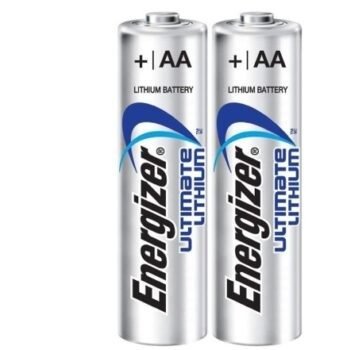
Energizer Ultimate Lithium AA Batteries
Best for high-drain electronics like digital cameras, smart locks, and handheld GPS devices.
- These last up to 9x longer than standard alkaline in high-drain devices.
- Operate in extreme temperatures from -40°F to 140°F.
- Leak-resistant construction adds long-term reliability.
Why we picked it: Delivers unmatched longevity and performance in high-demand gadgets—ideal for those who don’t want to constantly swap out batteries.
Panasonic Eneloop AA Rechargeable Batteries
Best for eco-conscious users and frequent-use devices like wireless mice, toys, or gaming controllers.
- Retain 70% of charge after 10 years of storage.
- Can be recharged up to 2,100 times.
- Pre-charged using solar power—ready to use out of the box.
Why we picked it: Combines cost-saving with high-quality rechargeability—ideal for long-term use and sustainability.
Duracell Coppertop AA Alkaline Batteries
Best for low-drain, everyday devices like remote controls, wall clocks, and flashlights.
- Trusted brand with reliable, leak-resistant design.
- 10-year shelf life for dependable backup storage.
- Widely available and affordable.
Why we picked it: Perfect for everyday home use—these batteries strike a great balance between affordability and dependable power.
Best AA Batteries : Detailed Comparison
| Parameter | Energizer Ultimate Lithium AA | Panasonic Eneloop AA Rechargeable | Duracell Coppertop AA Alkaline |
|---|---|---|---|
| Battery Type | Lithium Single-Use | NiMH Rechargeable | Alkaline Single-Use |
| Voltage | 1.5V Nominal | 1.2V Nominal | 1.5V Nominal |
| Chemistry | Lithium Iron Disulfide | Nickel Metal Hydride | Alkaline |
| Capacity | 3500mAh (est.) | 1900mAh (min.) | 2500-3000mAh (est.) |
| Cycle Life | Single-Use | 2,100 cycles | Single-Use |
| Shelf Life | 20 years | 10 years (70% charge) | 10 years |
| Best For | High-drain electronics | Frequent-use devices | Everyday low-drain devices |
| Check Price | Check Today’s Discounted Price → | Check Today’s Discounted Price → | Check Today’s Discounted Price → |
Essential AA Battery Testing & Maintenance Tools
For Professional Voltage Accuracy:
AstroAI Digital Multimeter 2000 Counts – This multimeter provides laboratory-level accuracy for voltage testing, with auto-ranging functionality and clear digital display. Perfect for determining exact battery state of charge and identifying weak batteries before they fail in your devices.
For Advanced Rechargeable Battery Analysis:
OPUS BT-C3100 V2.2 Smart Charger – Not just a charger, but a complete battery analyzer that tests actual capacity, internal resistance, and detects faulty cells. Essential for maintaining your Panasonic Eneloop AA batteries and maximizing their 2,100-cycle lifespan.
For Quick Home Testing:
KONNWEI KW208 Battery Tester – Simple plug-and-play testing for all battery types including AA, AAA, and button cells. Provides instant pass/fail results with color-coded LED indicators – perfect for quick battery health checks.
For Rechargeable Battery Care:
Panasonic BQ-CC17 Smart Charger – Specifically designed for Eneloop batteries, this charger features individual cell monitoring, delta-V detection, and automatic shutoff to prevent overcharging and extend battery life.
What Is the Voltage of a Fully Charged and Depleted AA Battery?
The voltage of a fully charged AA battery depends on the battery chemistry, but it’s usually 1.5V for disposable and 1.2V for rechargeable types. Understanding these voltage ranges helps you determine when a battery is still good—or when it’s time to replace or recharge it.
Standard AA Battery Voltage Chart (By Chemistry)
| Battery Type | Fully Charged | Nominal Voltage | Depleted Voltage |
| Alkaline | 1.5V | 1.5V | 1.0V |
| Lithium (non-rechargeable) | 1.8V | 1.5V | 1.2V |
| NiMH (rechargeable) | 1.4V | 1.2V | 1.0V |
| NiCd (rechargeable) | 1.3V | 1.2V | 1.0V |
Why It Matters:
- Too Low? Most electronics stop working properly below 1.0V per cell.
- Too High? Overvoltage (like putting lithium where alkaline is expected) can sometimes damage circuits.
- Inconsistency? Rechargeables may seem weak due to their lower nominal voltage, but their discharge curve is flatter—so they maintain voltage longer under load.
Quick Tips:
- If a device stops working but the battery reads above 1.0V, the issue may be load-related or due to internal resistance.
- Always measure voltage under load (e.g., while powering a small light bulb or multimeter with a test load) for better accuracy.
Knowing these voltage levels is key to better battery health management and device longevity.
How Can You Tell If a AA Battery Is Still Good?
You can tell if a AA battery is still good by measuring its voltage with a multimeter and testing its performance under load. Both methods provide a clear indication of remaining battery life.
Use a Multimeter (No Load Test)
Use a digital multimeter like the AstroAI 2000 Counts – set to DC voltage mode for precise measurements. Fresh alkaline batteries should read 1.5V-1.6V, while rechargeables show 1.2V-1.4V when fully charged
- Above 1.3V (alkaline/lithium): Battery is in excellent condition.
- 1.2V – 1.3V: Still usable, but nearing mid-life.
- 1.0V – 1.2V: Weak; might work in low-drain devices.
- Below 1.0V: Considered dead or close to it.
For NiMH rechargeables, anything above 1.1V is considered good.
Perform a Load Test
For load testing, use a dedicated battery tester like the KONNWEI KW208 or set your multimeter to measure voltage while the battery powers a small device. Significant voltage drop under load indicates high internal resistance.
Voltage can appear fine without a load but dip sharply under pressure.
- Use a battery tester with a resistor or turn on a flashlight to test real performance.
- Watch if the voltage drops significantly—this can indicate high internal resistance or wear.
Look for Physical Clues
- Leaking or corrosion? Toss it safely—it’s damaged.
- Bulging? A sign of internal gas buildup—unsafe to use.
Device Behavior
- Is your remote lagging or not responding?
- Is a flashlight dim even with “new” batteries?
That’s a clear signal the battery might be low—even if it hasn’t reached 1.0V.
Rechargeable batteries might show lower voltage but still hold more consistent output due to their flatter discharge curve.
What’s the Difference Between Alkaline, Lithium, and Rechargeable AA Battery Voltages?
The main difference between alkaline, lithium, and rechargeable AA batteries is their voltage range, discharge behavior, and how they perform under different loads. Knowing these distinctions helps you choose the best battery for your device and avoid compatibility issues.
AA Battery Chemistry Comparison Chart
| Feature/Type | Alkaline (Single-Use) | Lithium (Single-Use) | NiMH Rechargeable | NiCd Rechargeable |
| Fully Charged Voltage | 1.5V | 1.8V | 1.4V | 1.3V |
| Nominal Voltage | 1.5V | 1.5V | 1.2V | 1.2V |
| Depleted Voltage | 1.0V | 1.2V | 1.0V | 1.0V |
| Discharge Curve | Sloping (gradual drop) | Flat (holds voltage) | Very flat | Flat |
| Shelf Life | 5–10 years | Up to 20 years | ~10 years (unloaded) | 5–7 years |
| Rechargeable? | No | No | Yes | Yes |
| Temperature Tolerance | Moderate | Wide range (-40°F to 140°F) | Moderate | Low to Moderate |
| Best For | Remotes, toys, clocks | Cameras, GPS, medical | Daily-use electronics | Flashlights, toys |
Why These Differences Matter
- Alkaline: Cheap and widely available but drop voltage quickly. Best for simple, low-drain devices.
- Lithium: Long shelf life and steady voltage make them ideal for high-performance or emergency gear.
- NiMH: Rechargeable and eco-friendly with a steady discharge—great for high-drain, everyday use.
- NiCd: Older technology, still useful but suffers from memory effect.
Tip: Avoid mixing battery types in one device—different voltages and chemistries can lead to inconsistent performance or even leakage.
How Does Temperature Affect AA Battery Voltage?
Temperature significantly impacts AA battery voltage by affecting the chemical reactions inside the cell—cold can reduce performance, while excessive heat can degrade battery life.
Whether you’re hiking in the winter or storing batteries in a hot car, temperature can make or break your battery-powered device’s performance.
Cold Temperatures: Power Drainers
When temperatures drop, so does voltage output:
- Batteries perform sluggishly in cold environments (especially below 32°F / 0°C).
- Internal resistance increases, reducing the battery’s ability to deliver current.
- Devices may shut down prematurely even if the battery isn’t truly depleted.
NiMH and NiCd batteries suffer the most in cold. Lithium batteries perform best in freezing conditions, making them ideal for cameras, headlamps, or GPS units in winter.
Hot Temperatures: Silent Killers
Heat doesn’t kill instantly—but it shortens lifespan:
- Above 85°F (30°C), batteries start aging faster.
- Alkaline and rechargeable batteries can leak or bulge in prolonged heat.
- High heat accelerates internal chemical breakdown—even when unused.
Temperature vs. Voltage Performance Chart
| Temperature Range | Alkaline Performance | Lithium Performance | NiMH Performance |
| Below 0°C / 32°F | Poor | Excellent | Weak |
| 0°C – 25°C (Room Temp) | Good | Excellent | Good |
| 25°C – 40°C | Fair (risk of leak) | Good | Moderate |
| Above 40°C / 104°F | Poor (high leak risk) | Degrades over time | Reduced lifespan |
Store batteries in a cool, dry place. If you’re venturing out in the cold, keep batteries close to your body to retain warmth and prevent voltage drop.
When Should You Replace or Recharge a AA Battery?
For rechargeable Panasonic Eneloop AA batteries, use a smart charger like the OPUS BT-C3100 that analyzes battery health and prevents overcharging. These chargers can detect when batteries reach their 1.0V-1.1V recharge point.
Signs It’s Time to Replace or Recharge
- Device Behavior Changes
- Dim flashlight beam
- Lagging remote control
- Intermittent power in clocks or toys
- Voltage Test Results
- Single-use batteries: Replace when voltage is below 1.0V
- Rechargeable batteries: Recharge when voltage drops to around 1.0V – 1.1V
- Usage Time Drops Rapidly
- If your device runs out of power much faster than usual, it’s a clear red flag.
Rechargeable Battery Timing
- Do not wait until it’s completely drained.
- Aim to recharge NiMH batteries at around 1.1V to maintain battery health.
- Use a smart charger that detects battery level and stops when full.
When Not to Recharge
- If a battery is leaking, swollen, or discolored, do not recharge it.
- For alkaline batteries, never try to recharge them—they are not designed for it and can leak or explode.
Keep a battery log if you’re managing multiple rechargeables (especially for photography or home automation). Knowing usage patterns helps you recharge at the optimal time—boosting both performance and battery life.
Conclusion
Understanding AA battery voltage is more than just knowing a number—it’s about making smarter decisions for your devices, wallet, and the environment. Whether you’re powering a remote, flashlight, or professional equipment, choosing the right AA battery and knowing how it performs under different conditions can save you time, hassle, and money.
We’ve broken down the typical voltage ranges, compared alkaline, lithium, and rechargeable options, and showed how temperature and usage can affect performance. With this knowledge, you can confidently pick the right battery type and know exactly when it’s time to replace or recharge.
Before your next battery purchase, revisit the voltage chart and comparison guide to ensure you’re not overpaying or underpowering your gear.
Frequently Asked Questions About AA Battery Voltage Chart
Below are the most common and important questions users ask when searching for information about AA battery voltage. These will help you get quick answers and make smarter choices for your devices.
What voltage should a good AA battery have?
A fresh alkaline AA battery should read about 1.5 volts. If it drops below 1.0 volts, it’s time to replace it. Rechargeable AA batteries like NiMH usually have a nominal voltage of 1.2 volts when fully charged but can perform similarly to alkaline batteries.
Is 1.2 volts enough for AA batteries?
Yes, for rechargeable batteries, 1.2 volts is standard. Despite the lower voltage, devices designed for AA batteries typically operate well with NiMH or NiCd cells, thanks to their stable voltage output under load.
How low can AA battery voltage go before it’s useless?
For alkaline batteries, voltage below 1.0V means diminished performance. Rechargeable batteries should generally be recharged when they hit 1.0V to 1.1V to avoid deep discharge, which can shorten battery life.
Can you test AA batteries without a multimeter?
Yes. You can:
- Use a battery tester
- Try swapping the battery with a new one in your device
- Check for signs like dimming lights or slow response times
However, a multimeter provides the most accurate reading.
Are AA batteries affected by temperature?
Absolutely. Cold reduces voltage output, while heat accelerates internal breakdown. Lithium AAs are best for extreme temperatures, while NiMH and alkaline perform best at room temperature.