
Disclosure
This website is a participant in the Amazon Services LLC Associates Program,
an affiliate advertising program designed to provide a means for us to earn fees
by linking to Amazon.com and affiliated sites.
A lead acid battery voltage chart shows the relationship between a battery’s voltage and its state of charge (SOC), helping users determine how full or depleted the battery is.
This chart is a crucial tool for anyone relying on batteries for vehicles, solar systems, backup power, or industrial use. Whether you’re troubleshooting a battery issue or trying to maintain battery health, understanding what voltage levels mean can save you time, money, and headaches.
Did you know that a fully charged 12V lead acid battery typically reads around 12.6 to 12.8 volts when resting? But when it drops below 12.0 volts, you’re already at a 50% state of charge, which can harm battery longevity if not recharged promptly.
Best Lead Acid Battery for Reliable Power Storage
Choosing the right lead acid battery depends on your specific needs—whether it’s for deep cycling, vehicle starting, or backup energy. Based on performance, reliability, and customer feedback, here are three top-rated lead acid batteries that stand out in different categories:
Renogy Deep Cycle AGM Battery 12 Volt 100Ah
Why we picked it: Reliable for solar setups and RVs, this battery delivers consistent power and can handle deep discharges without losing efficiency.

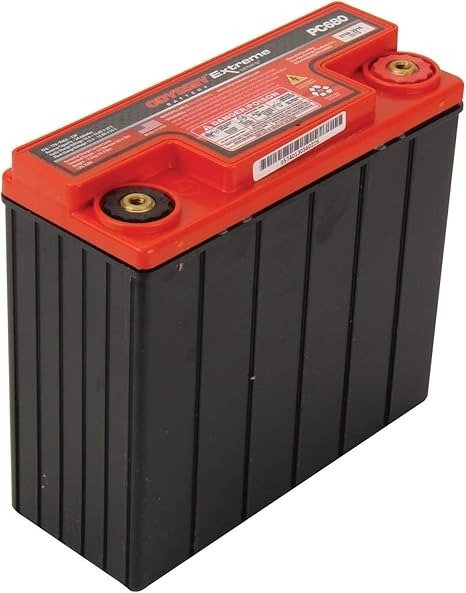
Odyssey PC680 Battery
Why we picked it: Compact and powerful, the Odyssey PC680 is perfect for vehicles and motorcycles, offering long service life and superior cranking power.
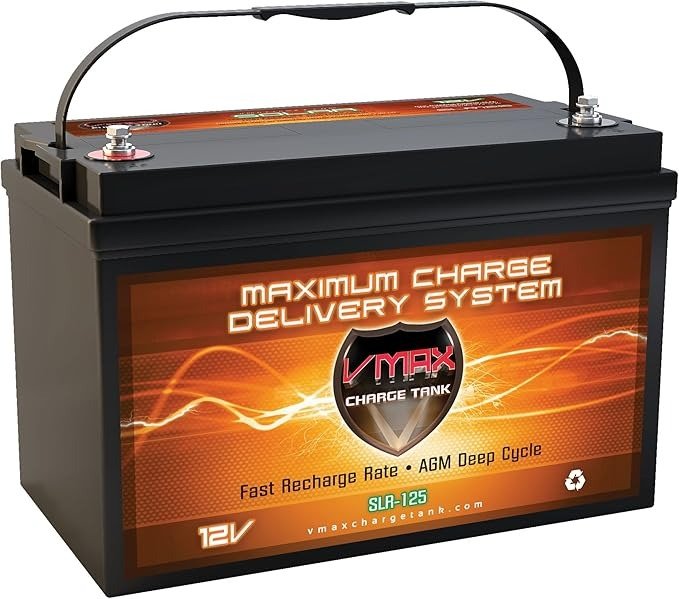
VMAXTANKS 12V 125Ah AGM Deep Cycle Battery
Why we picked it: Ideal for home backup systems and off-grid use, this battery is maintenance-free and built to last under heavy cycling conditions.
Lead Acid Batteries : Comparison
| Parameter | Renogy Deep Cycle AGM 12V 100Ah | Odyssey PC680 | VMAXTANKS 12V 125Ah AGM |
|---|---|---|---|
| Battery Type | Deep Cycle AGM | Starting & Deep Cycle | Deep Cycle AGM |
| Voltage | 12V | 12V | 12V |
| Capacity | 100Ah | 16Ah | 125Ah |
| Chemistry | AGM (Absorbent Glass Mat) | AGM | AGM |
| Cycle Life | 600+ cycles at 50% DOD | 400+ cycles | 500+ cycles |
| Terminal Type | Standard Posts | SAE & Threaded | Standard Posts |
| Best For | Solar, RVs, Off-Grid | Vehicles, Motorcycles | Home Backup, Off-Grid |
| Check Price | Check Today’s Discounted Price → | Check Today’s Discounted Price → | Check Today’s Discounted Price → |
What Do Lead Acid Battery Voltage Readings Really Mean?
Lead acid battery voltage readings are your most immediate window into the battery’s state of charge (SOC), health, and usability. These readings tell you whether your battery is fully charged, needs recharging, or could be damaged. But interpreting these voltages accurately means understanding a few key points: open-circuit voltage (OCV), load voltage, and temperature effects.
When measuring a battery’s voltage, it’s best to do so when the battery is at rest (not charging or discharging), ideally after being idle for a few hours. This gives the most accurate OCV reading.
Below is a comprehensive chart for standard 12V lead acid batteries:
| Voltage (V) | State of Charge (SOC) | Battery Condition |
| 12.8 – 13.0 V | 100% | Fully charged (resting) |
| 12.6 – 12.7 V | 90% | Excellent |
| 12.5 V | 80% | Very Good |
| 12.4 V | 70% | Good |
| 12.3 V | 60% | Moderate |
| 12.2 V | 50% | Needs Charging |
| 12.1 V | 40% | Low |
| 12.0 V | 30% | Very Low |
| 11.9 V | 20% | Nearly Discharged |
| 11.8 V or less | 0–10% | Fully Discharged – Recharge Immediately |
Note: A battery consistently reading below 12.0V can suffer sulfation, reducing its lifespan and performance significantly.
Also, temperature affects voltage readings:
- In cold weather, voltage may drop slightly.
- In hot climates, you may see higher voltage due to increased chemical activity.
Tips for Reliable Readings:
- Use a digital multimeter for accuracy.
- Wait 4–6 hours after charging before checking OCV.
- Avoid checking immediately after heavy use.
Understanding this chart helps you stay proactive about your battery’s health and avoid breakdowns or failures.
How Can You Safely Measure Lead Acid Battery Voltage at Home?
Measuring the voltage of a lead acid battery is easy, but doing it safely and accurately is critical. It helps you catch early signs of trouble and ensures your battery is functioning at its best. Below are the most reliable and safe methods to measure lead acid battery voltage from home:
Method 1: Using a Digital Multimeter (Most Common Method)
Use a digital multimeter like the AstroAI set to DC voltage mode for precise measurements. Place the red probe on the positive terminal and black on negative to verify if your Renogy Deep Cycle AGM is at the ideal 12.6V-12.8V resting voltage
What You Need:
- A fully functional digital multimeter
- Safety gloves and eye protection
- A clean, dry workspace
Step-by-Step Guide:
- Turn Off Any Loads
Ensure the battery is not connected to any device or charger. This allows you to get an accurate resting voltage. - Set Multimeter to DC Voltage (DCV)
Turn the dial to 20V DC range, which covers typical 12V batteries. - Connect the Probes
- Place the red probe on the positive terminal (+)
- Place the black probe on the negative terminal (–)
- Read the Display
The number you see is your battery’s open-circuit voltage (OCV). Match this value against the voltage chart provided earlier. - Interpret the Reading
- 12.6–12.8V = Fully charged
- Below 12.2V = Needs charging
- Below 11.9V = Deeply discharged, recharge immediately
Pro Tip: Always measure at least 4–6 hours after charging or using the battery to get a stable voltage reading.
Method 2: Using a Battery Monitor or Battery Management System (BMS)
For those with solar systems or RV setups, a battery monitor may already be installed.
Step-by-Step Guide:
- Access the Monitor Display Panel
Most modern monitors like the Victron BMV-712 show real-time voltage. - Review the Real-Time Voltage
It’s typically displayed as part of the dashboard. No manual testing is needed. - Compare With SOC Chart
Use the voltage to judge the state of charge and decide if action is needed.
Safety Tips for Any Method:
- Never short the terminals.
- Avoid testing near open flames or sparks.
- Disconnect chargers before testing.
- Always use insulated tools.
Measuring battery voltage correctly helps prevent over-discharging, extend battery life, and maintain your system’s reliability—whether you’re powering a vehicle, a solar panel bank, or a UPS system.
What Is the Ideal Voltage for Charging a Lead Acid Battery?
The ideal voltage for charging a lead acid battery typically ranges between 13.8V and 14.7V, depending on the type of battery and the stage of charging. Charging at the correct voltage is crucial for maximizing battery life, preventing overcharging, and ensuring peak performance.
Smart chargers like the NOCO Genius10 automatically maintain the correct 14.2V-14.6V bulk charging voltage for AGM batteries and switch to 13.6V float mode once fully charged
Let’s break this down:
Charging Voltage by Battery Type
| Battery Type | Float Charging Voltage | Bulk Charging Voltage |
| Flooded Lead Acid (FLA) | 13.2V – 13.8V | 14.4V – 14.8V |
| AGM (Absorbed Glass Mat) | 13.4V – 13.8V | 14.2V – 14.6V |
| Gel Cell | 13.5V – 13.8V | 14.0V – 14.2V |
Important: Always refer to the manufacturer’s datasheet for exact voltage ranges, especially for AGM and Gel batteries, which are more sensitive to overcharging.
Charging Stages and Their Voltages
- Bulk Stage (Main Charging Phase):
- Charger pushes high current into the battery.
- Voltage steadily rises.
- Typical voltage: 14.2V–14.7V
- Absorption Stage (Topping Charge):
- Current slows as battery approaches full capacity.
- Maintains high voltage to complete charging.
- Time-controlled or amps fall to threshold.
- Voltage: 14.4V–14.8V
- Float Stage (Maintenance Mode):
- Keeps the battery at full charge.
- Prevents self-discharge without overheating.
- Voltage: 13.2V–13.8V
Charging Best Practices
- Use a smart charger that automatically adjusts between stages.
- Never exceed the recommended voltage—especially for gel batteries.
- Keep an eye on battery temperature. Charging too hot or too cold can damage internal chemistry.
- If you’re off-grid or using solar, consider an MPPT charge controller for safe and efficient voltage control.
Charging your lead acid battery within these ideal voltage ranges protects against common issues like sulfation, gassing, or premature failure. It also ensures your battery is ready to deliver power when you need it.
Why Does Voltage Drop After Charging a Lead Acid Battery?
The voltage of a lead acid battery drops after charging because the surface charge dissipates and the battery settles to its true open-circuit voltage (OCV). This drop is normal and indicates the battery is returning to a stable resting state.
Surface charge can make your Odyssey PC680 read 13.0V-13.2V immediately after charging. Use a digital multimeter after 4-6 hours to get the true resting voltage
Let’s explore exactly why this happens.
What Is Surface Charge?
When a lead acid battery finishes charging, it temporarily holds a higher-than-actual voltage known as the surface charge. This is caused by:
- Residual energy from the charger
- Electrolyte saturation
- Chemical imbalance due to charging
Right after unplugging a charger, it’s common to see 13.0V–13.2V, even if the true charge is around 12.6V.
How Long Does It Take to Settle?
It typically takes:
- 4–6 hours at room temperature
- Up to 12 hours in colder environments
During this period, the battery voltage gradually drops to reflect the actual state of charge.
How to Remove Surface Charge for an Accurate Reading
There are two common methods to eliminate surface charge:
1. Let the Battery Rest
- Disconnect all loads and chargers
- Wait at least 4–6 hours
- Measure voltage with a digital multimeter
2. Apply a Small Load
- Turn on headlights or a small 12V load for 2–3 minutes
- Turn off the load
- Wait 5–10 minutes
- Measure voltage again
This clears the surface charge and reveals the true voltage.
Why It Matters
Failing to account for surface charge may lead to:
- Misreading the battery’s condition
- Thinking the battery is healthier than it is
- Overlooking signs of aging or undercharging
Understanding and anticipating this natural voltage drop helps ensure accurate diagnostics and better battery maintenance.
What Voltage Is Too Low for a Lead Acid Battery?
A lead acid battery is considered too low when its voltage drops below 11.8 volts under no load, and anything below 10.5 volts can indicate permanent damage or deep discharge.
If your VMAXTANKS 125Ah battery consistently drops below 12.0V, use a battery load tester to verify it can maintain voltage above 10.5V under starting conditions
A healthy 12V lead acid battery should never fall too far below its resting voltage of 12.6V to 12.8V. Dropping below these thresholds can shorten battery life significantly.
Low Voltage Ranges and What They Mean
| Battery Voltage (No Load) | Condition | Implication |
| 12.6V – 12.8V | Fully charged | Healthy and ready for use |
| 12.4V – 12.5V | ~75% charged | Acceptable for most applications |
| 12.0V – 12.3V | ~50% charged | Recharge soon to avoid damage |
| 11.8V – 11.9V | Low charge | Risk of sulfation begins |
| 11.5V – 11.7V | Very low | Battery stress, decreased performance |
| Below 11.0V | Deeply discharged | Can cause sulfation, possibly irreversible damage |
| 10.5V or less | Severely discharged | May not recover, especially if lead plates are damaged |
Why Is Low Voltage Dangerous?
- Sulfation: Lead sulfate crystals harden on the battery plates.
- Capacity Loss: Battery can no longer hold or deliver full charge.
- Longer Charging Time: It takes more time to recover, if it can be recovered at all.
- Shorter Lifespan: Chronic low-voltage use kills batteries early.
Avoiding Dangerous Voltage Levels
To protect your battery:
- Never let it drop below 12.0V if you’re using it regularly.
- Use low-voltage disconnects (LVDs) in solar or inverter setups.
- Monitor with a voltmeter or battery monitor system (BMS).
- Recharge after each use, especially for deep-cycle applications.
Letting your lead acid battery reach dangerously low voltages is one of the fastest ways to ruin it. Prevention, monitoring, and timely recharging are key.
How to Maintain the Right Voltage in a Lead Acid Battery?
To maintain the right voltage in a lead acid battery, you must charge it correctly, monitor it regularly, and store it properly. Keeping voltage within the ideal range preserves capacity, extends lifespan, and prevents costly damage.
Let’s break down how to do this in detail:
Use a Smart Charger (Automatic 3-Stage Charger)
This type of charger automatically adjusts through the three charging stages:
- Bulk stage – quickly charges to ~80%
- Absorption stage – tops off charge
- Float stage – maintains full charge without overcharging
Smart chargers prevent undercharging and overcharging—both of which affect voltage health.
Tip: Set your charger based on your battery type (Flooded, AGM, Gel).
Monitor Battery Voltage Regularly
Check the voltage with a digital multimeter or battery monitor system (BMS):
- Check voltage weekly if in use
- For infrequent use, check monthly
- After charging, wait 4–6 hours before testing
This helps catch early signs of trouble, such as sulfation or parasitic drain.
Control Temperature and Ventilation
High temperatures accelerate battery deterioration and affect charging voltage thresholds.
- Store between 15°C and 25°C (59°F to 77°F)
- Keep the battery compartment well-ventilated
- Avoid placing batteries near engine bays or heat sources if not necessary
Maintain Electrolyte Levels (For Flooded Batteries)
Low electrolyte levels can cause plate exposure and voltage instability.
- Check monthly
- Top up with distilled water only
- Never overfill
Avoid Deep Discharges
Repeated deep discharges shorten battery life and lower overall voltage retention.
- Recharge when voltage hits ~12.2V
- Install low-voltage disconnect devices in systems to cut power before damage occurs
Perform Equalization Charging (For Flooded Lead Acid Only)
This occasional overcharge ensures balanced cells and removes sulfation:
- Done every 30–60 days or as per manufacturer
- Increases voltage to ~15.5V for 2–4 hours
- Monitor closely during the process
Maintaining the right voltage isn’t just about charging—it’s about regular care, monitoring, and proactive protection. If you take care of your lead acid battery, it will take care of you for years to come.
Conclusion
Understanding and managing lead acid battery voltage is essential for performance, reliability, and battery lifespan. From identifying healthy voltage levels to interpreting drops and preventing deep discharges, knowing what your battery is telling you can save you money, time, and headaches.
Here’s a quick recap:
- A fully charged lead acid battery reads 12.6–12.8 volts when at rest.
- Voltage drops after charging due to surface charge dissipation—this is normal.
- Below 12.0V is low, and anything under 10.5V can be damaging.
- Monitoring and maintenance—using a smart charger, checking regularly, and preventing deep discharges—keep voltage in the safe range.
If you rely on lead acid batteries for vehicles, solar systems, or backup power, managing their voltage is not optional—it’s crucial.
Frequently Asked Questions About Lead Acid Battery Voltage Chart
What should a 12V lead acid battery read when fully charged?
A fully charged 12V lead acid battery should read between 12.6V and 12.8V at rest (no load) after it’s had time to settle post-charging. Readings over 13V immediately after charging are due to surface charge, which dissipates after a few hours.
Verify with a digital multimeter – your battery should read 12.6V-12.8V at rest. The AstroAI Digital Multimeter provides the accuracy needed for reliable measurements
Is 12.2 volts OK for a car battery?
12.2V indicates the battery is around 50% charged, which is lower than ideal for daily use. It should be recharged soon, especially in colder temperatures, as low voltage reduces cranking power and can cause starting issues.
What voltage is too low for a lead acid battery?
Any voltage below 12.0V is considered low, and below 10.5V typically signals a deeply discharged or possibly damaged battery. Regular use at these levels can lead to sulfation and reduced battery life.
What voltage is too high for a 12V lead acid battery?
Charging voltages above 15V can be dangerous unless done under controlled equalization settings for flooded batteries. For most applications, 14.4V to 14.8V is the maximum safe charging range.
How do I know if my lead acid battery is healthy?
Check for:
- Voltage resting between 12.6V–12.8V
- Stable voltage under small loads
- No drop below 10.5V during startup
- Proper recovery to float level after use
If these indicators check out, your battery is likely healthy.
Use a battery load tester to check voltage stability under load and a smart charger like the NOCO Genius10 to ensure proper charging voltage maintenance.
Can I use a voltage chart for AGM and Gel batteries too?
Yes, but with caution. While general voltage ranges are similar, AGM and Gel batteries often require more precise charging and may show slightly different resting voltages. Always refer to the manufacturer’s specs.